 BUSINESSField of study
Field of study
Opening A New Future With
Advanced Laser Technology.
Precise technology, unlimited possibilities with EVLASER Co., Ltd.!
EVLASER Co., Ltd. is focusing its capabilities on the industrial laser field and actively responding to the rapidly changing technological environment, developing into a first-class company with technological prowess.
We are continuously investing in research and development to meet the diverse needs of our customers based on the latest technology and innovative solutions. In addition, we provide customized design and installation services to ensure optimal performance and efficiency, and are positioning ourselves as a partner that supports our customers’ successful business.

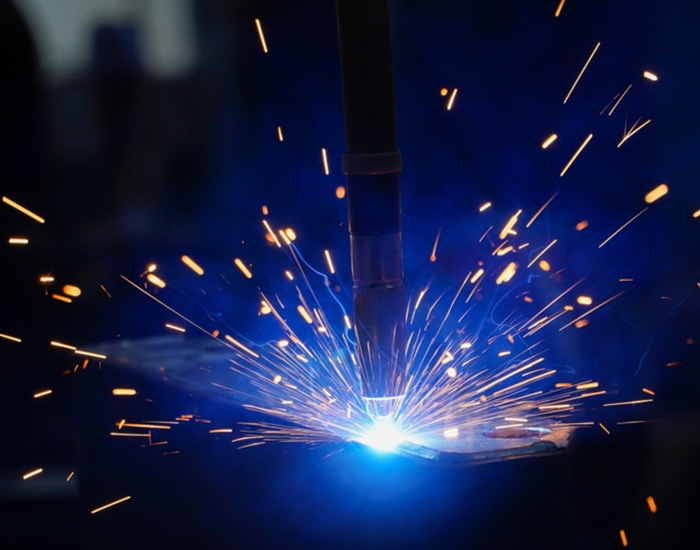
Applications using high-power diode lasers
Diode lasers are used in various industrial fields, and using diode lasers, metal welding, plastic welding, laser heat treatment (laser surface hardening), and laser output can be generated in CW (Continuous) mode with an output of 12,000 watts.
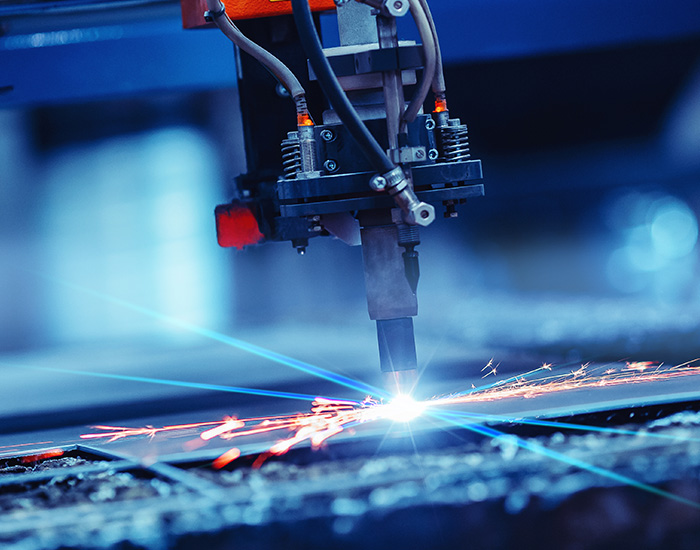
Applications using Nd:YAG / CO2 laser
Using Nd:YAG solid-state lasers of less than 150Watts, it can be applied to metal welding, laser marking and engraving of metal and plastic surfaces. In the case of Nd:YAG solid-state lasers, CO2 Lasers can be applied to metal welding, cutting of metals and non-metals with a maximum output of 16,000Watts, and laser marking and engraving of metals and non-metals with a low output.
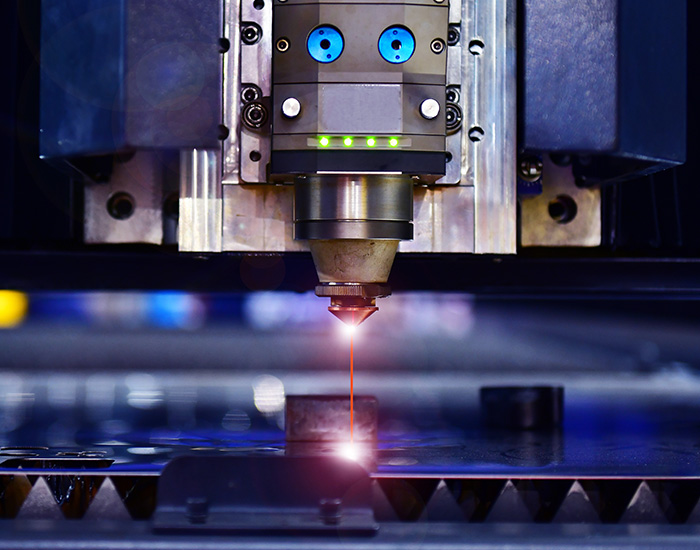
Applications using UV/Excimer Lasers
Microprocessing uses Pico Second or Femto Second lasers and Ultra Short Pulse lasers with short wavelengths or very short pulse widths for UV or Excimer lasers. Ultra Short Pulse lasers, including Excimer lasers, are widely used in ophthalmic vision correction, precision processing of glass and plastics, manufacturing of precision parts, earth science and overall research, and spectroscopy and FBG processes.

Laser beam transmission, measurement, and analysis device field
The transmitted laser beam can change the characteristics or shape of the beam in various shapes using optical lenses or mirrors, and finally perform laser processing such as welding, cutting, heat treatment, annealing, and engraving by focusing the beam at a specific focal length using a focusing lens. The quality of the laser beam is directly related to the quality of the processed product. Accordingly, by monitoring the size and shape of the laser beam, it is possible to detect abnormalities in the laser and beam transmission devices that may occur during the laser processing process, thereby improving the processing quality, securing the stability of the processor, and reducing processing defects.
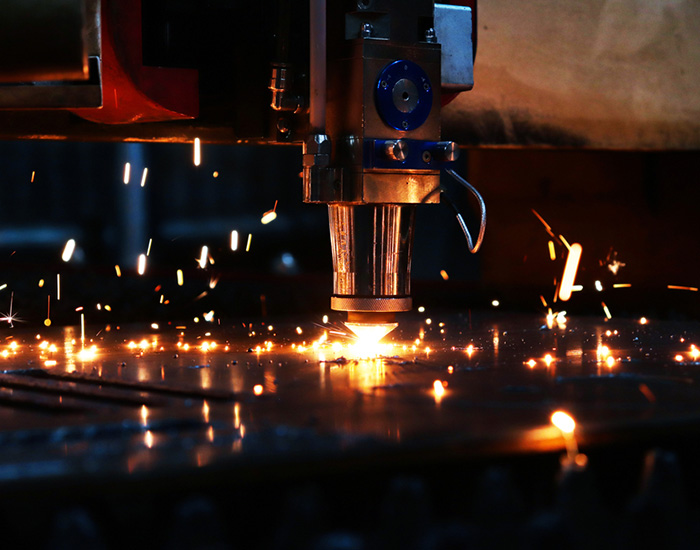
Applications using fiber laser
Fiber laser is applied to various fields such as laser marking, engraving, cutting, welding, etc. using low-power pulse laser to medium-power CW laser, and compared to general laser, beam quality and characteristics have great advantages in lifespan, performance, maintenance, etc.